Keep pipes from freezing: what DC Water and WSSC Water tell homeowners to do now
WSSC Water says spaces with water meters and pipes should stay at 55 degrees or warmer, and the heat should stay on when you travel.
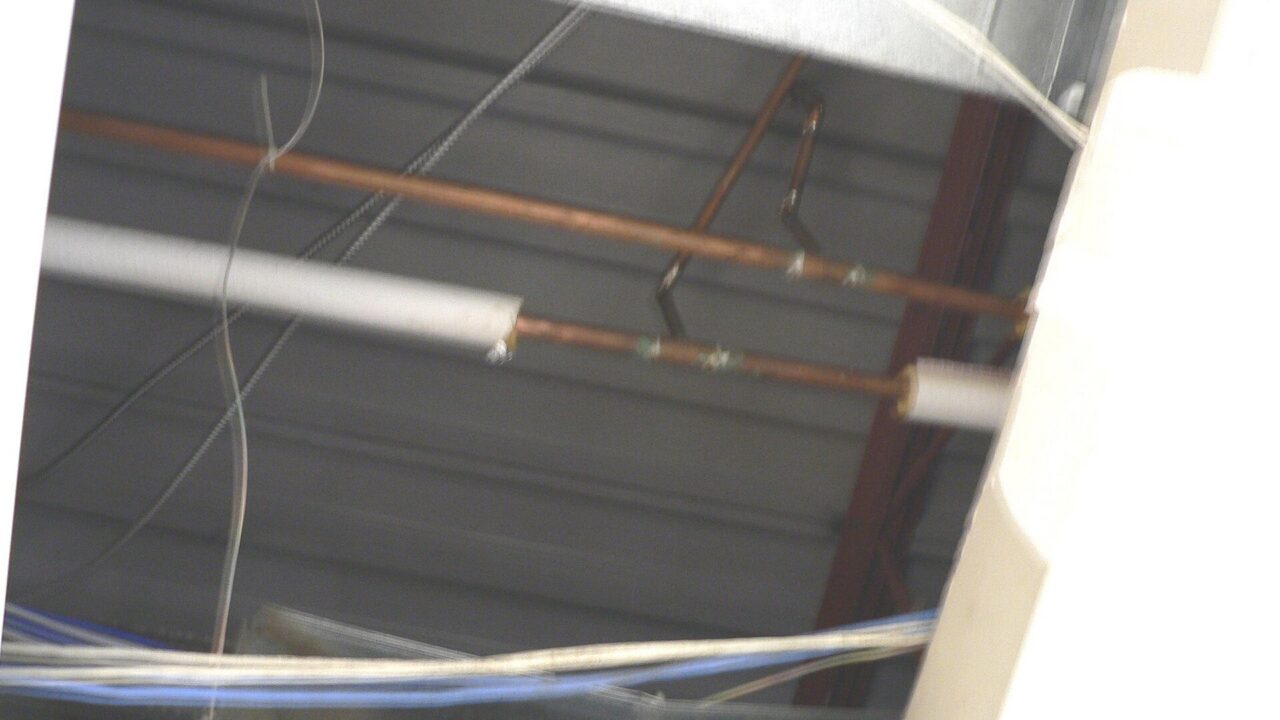
A burst pipe can turn a cold night into a costly mess. Pipes that freeze are often exposed to the outside or sit in unheated spaces such as kitchen cabinets, attics, garages, basements and crawl spaces, according to DC Water. Local utilities say a few steps now go a long way.
Keep the heat on where pipes run
WSSC Water, which serves Montgomery and Prince George’s counties, says the temperature where water meters and interior pipes are located should be at least 55 degrees. If you plan to be away during cold weather, leave the heat on at no lower than 55 degrees. DC Water gives the same 55-degree advice for extended trips.
Before the cold settles in
- Shut off the water to outdoor hose connections using the valve inside your home, disconnect hoses and drain the lines. DC Water suggests leaving the outside faucet open so any water left in the pipe can expand without breaking it.
- Insulate pipes in colder areas of the home. Building supply stores carry pipe sleeves.
- Keep garage doors closed if water supply lines run through the garage.
On the coldest nights
- Open kitchen and bathroom cabinet doors so your home’s warmth reaches the pipes.
- Let faucets on exposed pipes drip. DC Water says the cold water is still above freezing and helps keep the pipe from freezing. WSSC Water recommends dripping only when you are home.
- Do not rely on dripping alone. Fairfax County Fire and Rescue says a slow trickle may or may not keep a pipe from freezing.
If a pipe freezes
WSSC Water says to completely open the cold-water faucet closest to the frozen pipe to relieve pressure. If you thaw it yourself, use a hand-held electric hair dryer and be careful, because a pipe may split and spray water as it thaws. DC Water warns against any open flame and against devices that could make the melted ice boil, which can also break the pipe. Fairfax fire officials say never to use a torch. Call a licensed plumber if you cannot find, reach or thaw the frozen section.
Know your shutoff valve
Find your main water shutoff valve before you need it, and close it right away if a pipe breaks. Fairfax fire officials also suggest knowing how to cut power to your water heater. They say to call the fire department about a broken pipe only if water gets near electrical outlets or panels or threatens a water heater or furnace.
Who to call
- DC Water 24-hour emergency hotline, for water emergencies on public property: 202-612-3400. For problems inside your home, call a licensed plumber.
- WSSC Water 24/7 Emergency Services Center: 301-206-4002.
- For emergencies such as flooding near electrical panels, call 911.
Planning a project? Get a free quote
Tell us what you have in mind and a local pro will reach out.